Mandala SVG Five-pointed Circular Zenten Review
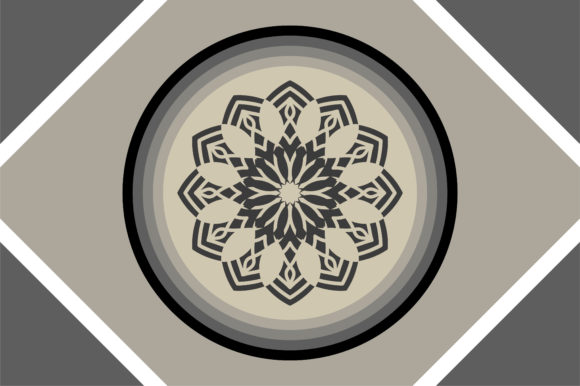
I have spent years reviewing digital assets for the embroidery community, and I often find that the difference between a good project and a great one lies in the file itself. When I first encountered Mandala SVG Five-pointed Circular Zenten, I didn't just see a graphic; I saw potential for a high-end boutique product. As a designer who values precision and aesthetic balance, my initial reaction was positive. The five-pointed circular structure suggests symmetry without being rigid, while the Zentangle-inspired patterns promise a level of detail that can elevate even simple items.
This review is not about listing technical specs found in a generic description. Instead, I want to walk you through how this design performs when it moves from a computer screen to a real-world embroidery machine, specifically focusing on its viability for commercial use, handmade gifts, and small business merchandise.
The First Impression: Mood and Visual Personality
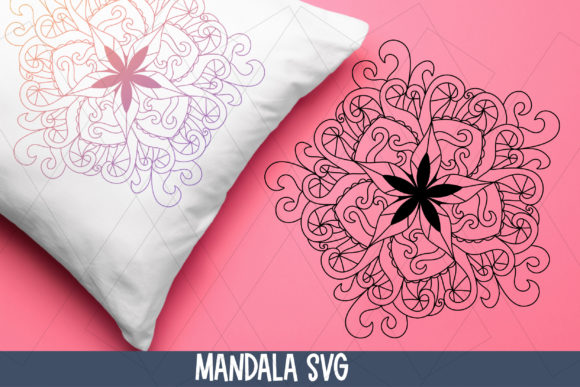
Before we talk about stitches, we must talk about the mood. Mandala SVG Five-pointed Circular Zenten exudes a sense of calm and intentionality. It feels spiritual yet modern, making it incredibly versatile for various niches. Unlike some mandalas that feel overly traditional or religious, this version has a contemporary edge due to its geometric foundation. The "Five-pointed" aspect adds a unique dynamic that breaks away from the standard round mandala, giving it a star-like quality that draws the eye immediately.
For an embroidery designer, this visual personality is crucial. It tells me this design belongs in spaces where mindfulness, wellness, or artistic expression are celebrated. It fits perfectly into nursery decor, yoga studio branding, or personalized gift items for someone who appreciates intricate art. The layout is balanced, which is a huge plus because it means the design will likely center well on various products without looking off-balance.
Real-World Application: A Custom Tote Bag Project
To truly test Mandala SVG Five-pointed Circular Zenten, I imagined a practical scenario: creating a custom embroidered tote bag for a local artisan market. This is a common request for Etsy sellers and craft fair vendors. The goal is to create a piece that looks professional, holds up to wear, and justifies a higher price point.
If I were to place this design on a canvas tote bag, the circular nature would work beautifully as a central focal point. The Zentangle details provide enough texture to make the bag look expensive without requiring thousands of individual stitches. However, the success of this project depends heavily on execution. A large, detailed mandala on a tote bag requires a sturdy stabilizer to prevent the fabric from puckering under the tension of the threads. If executed correctly, the finished product would have a tactile richness that customers love to touch, significantly boosting perceived value.
Similarly, this design could be adapted for a sweatshirt embroidery project. Placing a smaller version on the chest or a larger one on the back creates a statement piece. The five-pointed symmetry works well on curved surfaces like the shoulder of a sweatshirt, whereas a more chaotic pattern might get lost in the folds of the fabric. For holiday gifts, such as a Christmas pillow cover or a kitchen towel, the design offers a sophisticated alternative to typical seasonal motifs, appealing to buyers who prefer subtle elegance over loud prints.
Navigating Challenges: Where Caution is Key
While I am generally optimistic about this asset, every experienced designer knows that "it depends." There are specific scenarios where Mandala SVG Five-pointed Circular Zenten requires careful consideration. One major factor is the stitch density. Because the design features intricate Zentangle lines, it likely contains areas of high fill stitch density. On thin fabrics or stretchy materials like jersey knit, this density can cause the fabric to pucker or distort, ruining the circular shape.
I would advise against using this design for small hoop sizes unless the file allows for resizing without losing critical detail. If the original vector is dense, shrinking it down for a cap brim or a baby onesie might result in muddy stitching where the lines blend together. In those cases, the fine details of the Zentangle pattern could disappear entirely, leaving a blob rather than a crisp design.
Another area to watch is dark fabric. While the design is available as an SVG, which is excellent for cutting machines, embroidery relies on thread color contrast. On a black or navy background, the lighter threads used for the intricate details might not pop enough to show the complexity of the pattern. You would need to select high-quality, light-fast threads with strong opacity to ensure the design stands out. Furthermore, if you plan to wash these items frequently, such as aprons or tea towels, you must ensure the stabilizer used is robust enough to support the weight of the embroidery over time.
Stitching Clarity and Professionalism
The clarity of the stitching directly impacts customer trust. A well-executed Mandala SVG Five-pointed Circular Zenten on a finished product signals professionalism. It tells the buyer that you care about the quality of your work. Conversely, if the design is too dense for the fabric chosen, or if the thread colors clash, it can make a handmade product look amateurish. This is why testing on scrap fabric is non-negotiable before running a full production batch.
For commercial embroidery projects, consistency is king. If you are selling these designs as part of a collection, ensuring that Mandala SVG Five-pointed Circular Zenten looks consistent across different garment types is vital. The design should maintain its integrity whether it is stitched on a soft cotton pillow cover or a structured denim jacket. This versatility makes it a valuable addition to any digital product seller's library.
Practical Designer Notes for Success
Before you commit to using this design in your next embroidery project, there are several steps you should take to ensure success. First, always test the design on scrap fabric that matches your final material in terms of weight and texture. This helps you gauge how the stitch density interacts with the fabric.
Check your thread colors carefully. Since the design is based on a circular floral silhouette, contrasting colors can enhance the depth of the Zentangle lines. Consider using a monochromatic scheme for a sleek, modern look or multi-colored threads for a vibrant, bohemian vibe. Always review the stitch count and density settings in your digitizing software. If the design appears too crowded, you may need to adjust the spacing or simplify certain elements.
Don't forget to inspect the small details. Zoom in on the digital preview and check for any tiny gaps or overly dense corners that might cause needle breakage. Also, confirm the licensing terms. If you intend to sell finished items featuring this design, ensure you have the commercial rights. Many digital assets come with restrictions that limit resale.
Finally, consider the final presentation. A well-stitched Mandala SVG Five-pointed Circular Zenten deserves to be showcased in high-quality mockups. Whether you are listing on Etsy or preparing for a craft fair, clear photos that highlight the texture and detail of the embroidery will attract more buyers. The design's inherent beauty does the heavy lifting, but your presentation seals the deal.
In conclusion, Mandala SVG Five-pointed Circular Zenten is a strong candidate for serious embroidery work. Its balance of geometry and organic flow makes it suitable for a wide range of applications, from custom apparel to boutique branding. By paying attention to fabric choice, stabilizer usage, and thread selection, you can transform this digital file into a stunning physical product that resonates with customers and elevates your brand.