Mandala Split Mandala Half 43: A Designer's Real-World Embroidery Review
When I first opened the files for Mandala Split Mandala Half 43, my initial reaction wasn't about the technical specs, but rather the mood it instantly set. As someone who has spent years evaluating digital assets for real-world application, I look past the pretty preview image to see how a design behaves under the needle. This piece carries a distinct energy; it feels balanced yet dynamic, perfect for those who want a sophisticated centerpiece without overwhelming the garment or accessory. It belongs naturally in the realm of high-end handmade products where visual harmony is just as important as stitch quality.
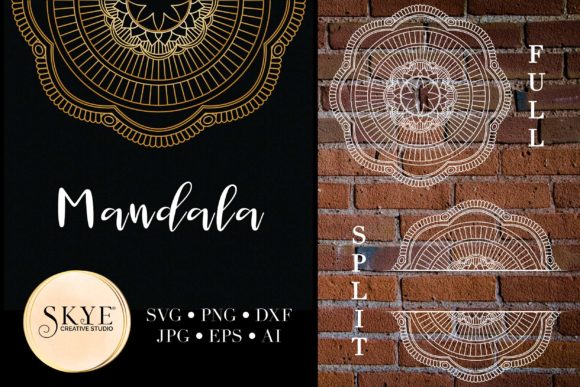
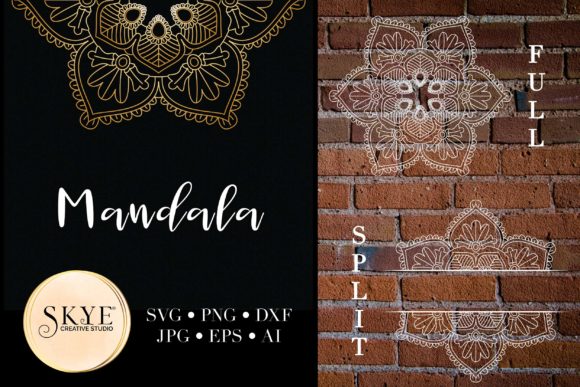
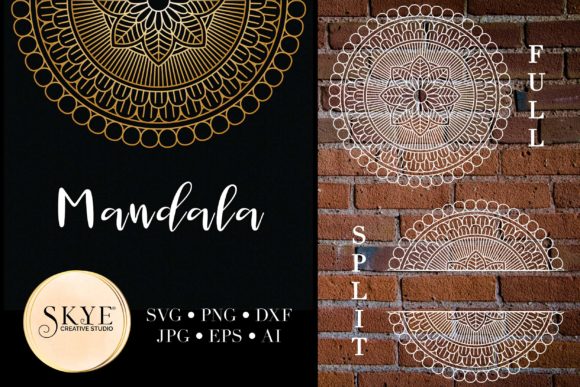
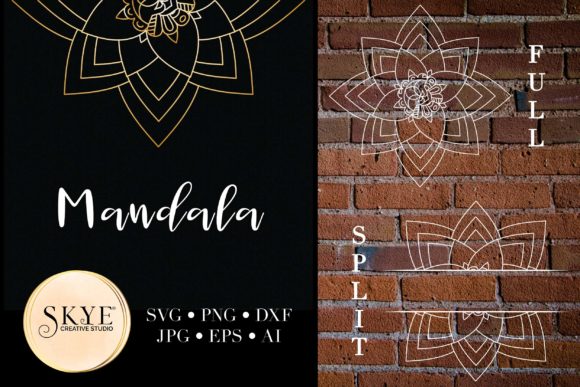
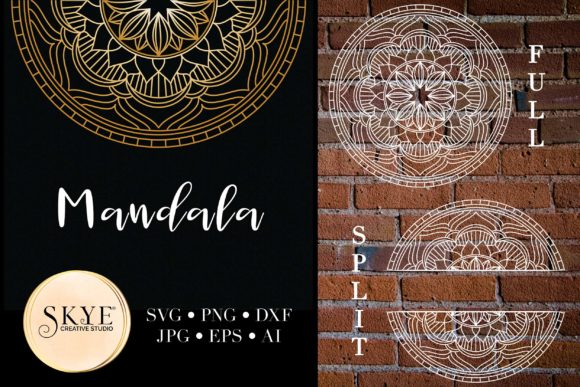
The concept of a split mandala is clever from a layout perspective. By offering a full version alongside a split and half configuration, this embroidery file provides incredible versatility. I found myself immediately thinking about how this could transform a standard tote bag into a boutique statement piece. The circular floral elements suggest a softness that works beautifully with natural fabrics like linen or canvas, while the geometric precision holds up well on structured items like denim jackets or heavy cotton sweatshirts.
From Screen to Stitch: Visualizing the Project
Let me walk you through a scenario I recently considered. Imagine a client requesting a custom embroidered patch for a local coffee shop's new line of aprons. They wanted something spiritual but modern, intricate but not cluttered. Mandala Split Mandala Half 43 fits this brief perfectly. If we were to use the half-mandala version on the left chest of a chef's coat, the negative space created by the split allows the fabric texture to breathe, preventing the design from looking like a solid block of thread.
In a commercial setting, this design elevates the perceived value of the finished product. Customers scanning an Etsy listing will stop at the photo of a pillow cover featuring this specific motif because it signals craftsmanship. The symmetry inherent in the mandala creates a sense of order that is pleasing to the eye, which translates directly into customer trust. When a buyer sees a clean, well-executed embroidery project, they assume the rest of the item was made with equal care.
However, I also had to consider the limitations. If I were planning to put this on a baby onesie, I would need to be extremely cautious. While the design is beautiful, the detail level might be too dense for the delicate skin of an infant if stitched too tightly. For baby embroidery, simplicity often wins. But for a holiday gift, such as a decorative tea towel or a festive throw blanket, the complexity here shines. The stitch density needs to be managed carefully so that the fabric doesn't pucker, especially if using a stretchy knit fabric for a sweatshirt.
Navigating Fabric and Technique Challenges
One of the most critical aspects of using Mandala Split Mandala Half 43 effectively is understanding where it should be used carefully. Not every surface is a good candidate for this level of detail. Small hoop sizes can sometimes struggle to capture the outer edges of a large mandala without cutting off crucial lines. If you are working on a cap or a curved hat, the curvature can distort the radial symmetry, making the design look slightly off-center once stitched.
I strongly advise testing this design on scrap fabric before committing to your final product. Textured fabrics like bouclé or heavy tweed can hide the fine details of the satin stitch or running stitch lines. On dark fabric, you will need to ensure your thread colors have enough contrast; otherwise, the intricate floral patterns might get lost in the background. Conversely, on very thin or sheer materials, the weight of the threads could cause the fabric to sag or tear over time.
For those of us running a small business, durability is non-negotiable. An embroidered patch or a tote bag design needs to withstand frequent washing. Dense stitch areas can sometimes trap lint or become stiff after multiple cycles. Using the proper stabilizer is essential here. You cannot simply hoist the fabric and start stitching; you need to support the material adequately to maintain the integrity of the fill stitch sections. If the design includes tiny lettering or minute decorative accents, these are the first areas to fail if the tension isn't perfect.
Strategic Use for Craft Business Owners
As a designer reviewing this asset for potential commercial use, I see significant opportunities for creative entrepreneurs. The flexibility of the bundle allows you to create a cohesive collection. You could use the full mandala for a large wall hanging, the split version for a pair of matching napkins, and the half version for a single accent pillow. This consistency builds a strong brand identity for your shop.
When creating printable mockups for your online store, this design offers excellent visual appeal. It looks professional and polished, which helps drive engagement. However, remember that the digital preview does not tell the whole story. Always compare light and dark fabric backgrounds to ensure the color palette works across different product lines. If you are selling digital embroidery files yourself, make sure to check the licensing terms thoroughly before allowing others to use this in their commercial projects.
For hobbyists and makers, this is a fantastic way to elevate a personal gift. Imagine embroidering the half-mandala onto a personalized guest book or a custom apron for a wedding party. The effort you put into selecting the right thread colors and stabilizers will pay off in the form of a unique, heirloom-quality item. The design acts as a focal point that draws people in, making it a conversation starter at craft fairs or family gatherings.
Practical Designer Notes Before You Start
- Test First: Always run a test stitch on scrap fabric to check for puckering and alignment.
- Check Contrast: Ensure your thread colors pop against the intended fabric texture.
- Hoop Size Matters: Verify that your machine's hoop can accommodate the full width of the design without cropping.
- Stabilizer Selection: Use cut-away stabilizers for stretchy fabrics and tear-away for stable wovens to prevent distortion.
- Licensing Check: Confirm whether you have the rights to sell finished items made with this design, especially if you plan to list them on platforms like Etsy.
- Density Review: Inspect the stitch density in the center of the mandala; too much density can lead to a hard, uncomfortable feel.
Ultimately, Mandala Split Mandala Half 43 is more than just a graphic; it is a tool for storytelling through thread. Whether you are decorating apparel, creating home decor, or producing small shop merchandise, this design offers a blend of elegance and structure that resonates with buyers. It requires respect for the medium—proper technique, careful fabric selection, and attention to detail—but the reward is a finished product that looks as good as it feels. By approaching this project with a clear understanding of its strengths and limitations, you can create work that stands out in a crowded market.
So, grab your hoop, select your best threads, and let this mandala guide your next embroidery project. With the right preparation, it can become a signature element of your handmade portfolio, proving that thoughtful design choices make all the difference between a good stitch and a great creation.