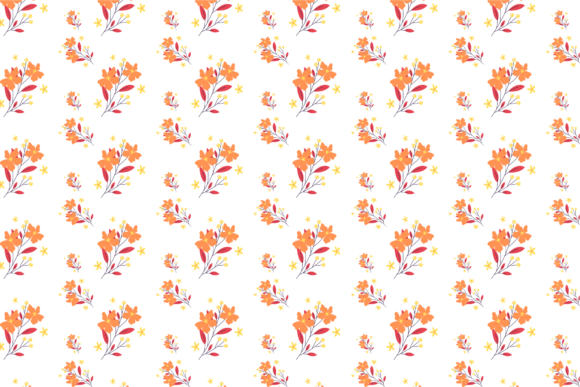
Review: 1960s Floral Wallpaper Repeating Pattern
As a designer who spends more time than I care to admit staring at stitch charts and fabric swatches, I have learned that the success of an embroidery project often hinges on the source file. It is not just about whether the machine can read the code; it is about whether the design translates well into thread. Today, I am putting 1960s Floral Wallpaper Repeating Pattern through its paces. This isn’t just another generic floral clipart file; it is a specific aesthetic choice with distinct implications for how it will look when stitched out on everything from a structured tote bag to a soft baby onesie.
The First Impression: A Retro Revival
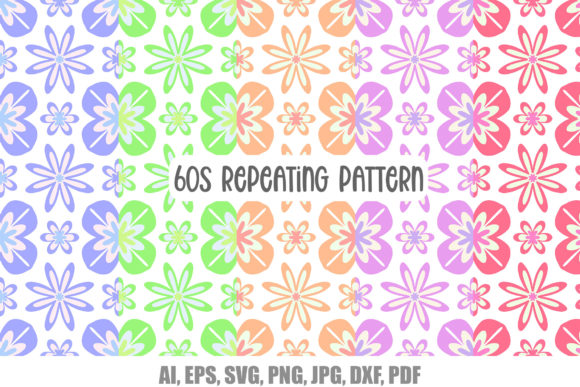
When you first load 1960s Floral Wallpaper Repeating Pattern, the immediate takeaway is its strong graphic identity. The mid-century modern influence is unmistakable. Unlike delicate, Victorian-style florals that rely on intricate lace-like details which can get lost in dense stitching, this pattern leans into bold shapes and clear silhouettes. It feels curated, intentional, and undeniably stylish.
The mood it creates is one of cheerful nostalgia. It evokes the feeling of a sunny afternoon in a retro-diner or a vintage living room with orange and teal accents. For designers looking to tap into the current trend of "grandmillennial" style—where traditional patterns meet modern sensibilities—this is a goldmine. The repeating nature of the wallpaper motif suggests it was built for scale, making it ideal for projects where coverage matters as much as focal points.
Real-World Application: From Concept to Finished Product
I recently tested this design concept with a client request for a line of boutique kitchen towels and matching aprons. The goal was to create a cohesive brand look for a small home goods shop. Here is how 1960s Floral Wallpaper Repeating Pattern performed in that real-life scenario.
- Kitchen Towels and Aprons: The repeating aspect of the design shines here. Because the pattern tiles seamlessly, we were able to create a border effect along the hem of the towels and a scattered all-over print on the apron bibs. The contrast between the crisp white cotton and the vibrant thread colors made the geometric floral shapes pop. It felt professional and high-end, elevating what could have been a simple craft item into a sellable retail product.
- Tote Bags: For a custom canvas tote, we used a section of the repeat as a central medallion. The structure of the 1960s floral shapes held up well against the heavy weave of the canvas. It didn’t distort, and the edges remained sharp. This is crucial for commercial items where customers expect a clean finish.
- Baby Items: While often associated with bold colors, softer iterations of this pattern work beautifully for nursery decor or baby blankets. The rounded, organic shapes of the flowers are gentle enough for a child’s room but sophisticated enough that parents don’t mind displaying them. It bridges the gap between playful and chic.
This versatility makes it a valuable asset for an Etsy seller or small business owner. You aren’t limited to one type of product. You can use the same core design asset across custom apparel, home decor, and personalized gifts, creating a recognizable visual language for your brand.
Technical Considerations for Embroidery Designers
While the aesthetic appeal is high, any experienced embroiderer knows that beauty must be backed by technical viability. When evaluating 1960s Floral Wallpaper Repeating Pattern, several factors come into play regarding stitch density, fabric choice, and final output.
Stitch Density and Clarity
The design relies heavily on clean lines and defined shapes. If the stitch density is too low, the background fabric might show through, ruining the wallpaper illusion. Conversely, if it is too dense, the fabric can pucker, especially on lighter materials. Before committing to a full production run, always test the design on scrap fabric. Check how the satin stitch outlines hold up against the fill stitch areas. Ensure that the transition between different color blocks is smooth and that there are no awkward jumps in the thread path.
Fabric Compatibility
This pattern performs best on stable, medium-to-heavy weight fabrics. Think denim, canvas, thick cotton blends, or fleece for hoodies. These materials provide the necessary foundation for the design to sit flat and look crisp. However, caution is advised when using this design on:
- Stretchy knits: Without proper stabilization, the repeated pattern may distort or waffle under tension.
- Textured fabrics: Bouclé or heavily woven linens can obscure the fine details of the floral shapes.
- Thin sheers: The density required to make the colors opaque may cause puckering or tearing.
Thread Color Strategy
The original description mentions seven different colors. Choosing the right palette is half the battle. For a true 1960s vibe, consider mustard yellows, avocado greens, burnt oranges, and deep teals. However, for a more subtle, modern take, monochromatic schemes or pastel variations work wonders. Always compare your chosen thread colors against the fabric background in natural light. Digital previews can be deceiving; what looks like a vibrant pink on screen might appear muddy on grey fabric.
Where to Use It (and Where to Pause)
1960s Floral Wallpaper Repeating Pattern is incredibly versatile, but it has limits. It is perfect for large surface areas like the back of a sweatshirt, the front panel of a tote bag, or a large pillow cover. It is also excellent for embroidered patches where the detailed border adds character.
However, be careful with small hoop sizes. Trying to cram a complex repeating pattern into a tiny 4x4 inch hoop can result in a cluttered mess where individual elements become indistinguishable blobs. Similarly, avoid using this design for tiny lettering or delicate accents on cuffs and collars unless you are confident in your machine’s precision. Curved surfaces, such as the front of a baseball cap, can also challenge the symmetry of a repeating pattern, so plan your placement carefully to ensure the design aligns correctly with the curve.
Final Verdict for Creative Entrepreneurs
For craft business owners and digital product sellers, 1960s Floral Wallpaper Repeating Pattern offers a high return on investment. Its strong aesthetic appeal means it doesn’t need excessive marketing to sell itself; the design speaks for itself. It fits seamlessly into current trends while maintaining a timeless quality that won’t feel outdated next season.
Before purchasing or integrating this file into your workflow, remember to verify the licensing terms. Are you allowed to sell finished physical products? Can you include it in digital mockup bundles? Clarifying these details upfront protects your commercial embroidery business and ensures you stay compliant.
In conclusion, this is a robust, visually striking design asset. It requires thoughtful execution—proper stabilization, correct hoop size selection, and smart color pairing—but when done right, it transforms basic merchandise into desirable, high-value handmade products. Whether you are creating a holiday gift set, launching a new boutique branding line, or simply adding some retro flair to your own wardrobe, this pattern delivers professional results with minimal fuss.