Artistic Mandala Mermaid Design: Graphics and Coloring Pages for Editorial Use
In the world of digital publishing, visual communication is not merely decorative; it is functional. As a blog designer who has spent years optimizing content layouts for readability and engagement, I approach every graphic design asset with a critical eye toward editorial quality and user experience. Today, I am reviewing the Artistic Mandala Mermaid Design, a vector-based resource that promises versatility across multiple formats. For bloggers, publishers, and content creators looking to elevate their website header designs or enhance their Pinterest pin strategies, understanding how this asset fits into a real-world workflow is essential.
First Impressions and Editorial Mood
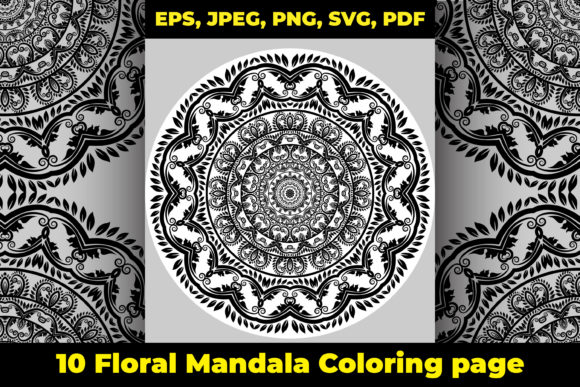
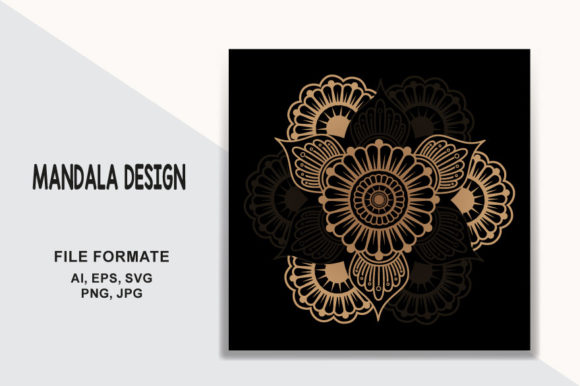
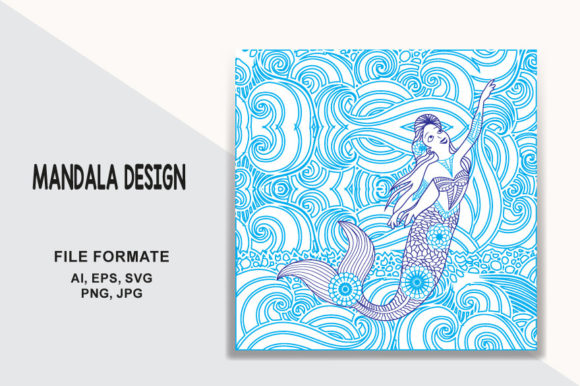
When you first load the Artistic Mandala Mermaid Design, the immediate takeaway is its intricate detail. This is the Artistic Coloring Page Floral Mermaid Vector design, characterized by flowing lines and complex geometric patterns typical of mandala art. The mood it creates is distinctly whimsical yet structured. It feels artistic, feminine, and serene, making it a natural fit for niches focused on wellness, creative hobbies, lifestyle blogging, and spiritual growth.
From an editorial standpoint, this design avoids the cluttered look often found in low-quality stock images. Instead, it offers a clean, high-resolution aesthetic that suggests professionalism. For a content creator, this means the image can serve as more than just a pretty picture; it acts as a visual anchor that communicates brand identity. Whether you are designing a digital guide cover or a newsletter graphic, the mermaid motif provides a cohesive theme that readers can instantly recognize, fostering trust and consistency across your content marketing efforts.
Real-World Publishing Applications
The true value of any design asset lies in its adaptability. In my daily workflow, I rarely use a single image for just one purpose. The Artistic Mandala Mermaid Design shines when applied across a multi-channel strategy. Here is how I would integrate this asset into a comprehensive publishing plan:
- Blog Featured Images: Use the central mandala element as a background for article headers. By overlaying bold typography, you create a striking visual hierarchy that draws the reader’s eye immediately to the headline.
- Social Media Graphics: Crop the design for square posts on Instagram or landscape formats for Facebook. The detailed line work holds up well at smaller sizes, making it ideal for social media graphics that need to stop the scroll.
- Lead Magnets and Digital Products: This design is perfect for the covers of eBook covers, worksheets, or printable planners. Its intricate nature suggests value and depth, which can increase the perceived worth of your freebie or paid product.
- Pinterest Pins: Pinterest is a visual search engine. Using this design as a base for pins allows you to add text overlays that promise specific outcomes, such as "Relaxation Techniques" or "Creative Journaling Ideas," driving traffic back to your affiliate content.
- Email Newsletters: Incorporate the mermaid vector as a divider or a banner image within your email campaigns. It breaks up text blocks effectively, improving readability and keeping subscribers engaged.
Supporting Content Performance
Investing time in high-quality visuals directly impacts key performance metrics. When you use the Artistic Mandala Mermaid Design consistently, you strengthen your brand identity. Readers begin to associate that specific aesthetic with your voice and expertise. This recognition leads to higher click-through rates because users feel comfortable clicking on content they visually identify with your brand.
Furthermore, a polished visual presentation improves reader trust. In an era of information overload, a messy or inconsistent design can signal a lack of professionalism. Conversely, a well-executed editorial layout using assets like this mermaid vector signals that you care about the quality of your content. This subtle cue encourages longer session durations and deeper engagement with your affiliate marketing links or sponsored content.
Strategic Placement and Visual Hierarchy
To maximize the impact of this design, placement is key. The intricate details of the mandala work best in areas where they can be appreciated without competing with dense text. I recommend using the full composition for hero images on landing pages or category thumbnails. These larger formats allow the viewer to take in the complexity of the floral elements.
For smaller spaces, such as sidebar widgets or mobile previews, consider isolating specific parts of the mandala. You might extract a single petal pattern or a section of the tail to use as a bullet point icon or a small accent. This technique maintains the thematic consistency of your web design without overwhelming the user interface. It also helps in creating a modular visual system where different pieces of the asset can be reused creatively.
Where to Exercise Caution
While versatile, no single asset is suitable for every context. There are scenarios where the Artistic Mandala Mermaid Design should be used carefully or avoided entirely:
- Small Mobile Thumbnails: On very small screens, the fine lines of a mandala may blur or become indistinguishable. Always test how the image renders on mobile devices before finalizing your layout.
- Text-Heavy Blog Images: Avoid placing large blocks of text directly over the most detailed parts of the design. If the contrast is too low, readability suffers, which negatively affects accessibility and user experience.
- Serious Professional Niches: If you are writing for corporate, legal, or highly technical audiences, this whimsical design may clash with the tone of your content. In such cases, a more minimalist or abstract modern design would be more appropriate.
- Low-Contrast Backgrounds: Ensure that the colors of the mermaid design stand out against your website’s background. A busy layout with competing patterns will create visual noise that distracts from your message.
Practical Publisher Notes for Implementation
Before integrating the Artistic Mandala Mermaid Design into your live site, there are several technical checks you should perform. First, verify the file format. While the description mentions High-Resolution JPG Files, ensuring you have access to vector sources (if available) or high-DPI raster files is crucial for crisp printing and scaling.
Next, conduct a thorough testing phase. Preview the asset inside a real blog layout, not just in isolation. Check how it looks alongside your chosen typography. Does it pair well with serif fonts for a classic look, or sans-serif fonts for a modern feel? Try placing it beside script or handwritten font styles if you are aiming for a personal, boutique brand vibe. Review the file size to ensure it does not slow down your page load times, and compress images properly using tools like TinyPNG or ImageOptim.
Finally, confirm your commercial license. If you plan to use this asset on monetized websites, in paid courses, or for small business branding, you must ensure you have the right to do so. Misusing creative marketplace assets can lead to legal issues and damage your reputation. Once licensed, you can confidently deploy this design across your digital download products and online platforms.
Conclusion for the Modern Publisher
The Artistic Mandala Mermaid Design is more than just a coloring page; it is a robust graphic design asset capable of elevating your entire content ecosystem. By understanding its strengths and limitations, you can use it to create compelling blog graphics, engaging social media visuals, and professional editorial layouts. For the savvy publisher, attention to these visual details is what separates a hobbyist blog from a trusted digital authority. Embrace the artistic potential of this mermaid vector to build a cohesive, trustworthy, and visually stunning online presence.